
Skip to content
Genre directory/Comedy
Genre

What is Genre "Comedy" in Redrama?

Comedy is the hardest genre to schedule and the easiest to under-write. How to build a series where the joke is structural rather than written.

What is Genre "Comedy" in Redrama?

Comedy is the hardest genre to schedule and the easiest to under-write. How to build a series where the joke is structural rather than written.

The genre most damaged by generated dialogue, and the one that rewards a strong situation most.

Genre snapshot

Redrama

What must stand out in Genre "Comedy"?

Comedy is the hardest genre to schedule and the easiest to under-write. This infographic helps you see the story feeling that should appear from the first episode.

Story promise

Comedy

Viewers should quickly understand the feel of Comedy: the emotional direction is clear, the conflict is readable, and the payoff feels earned.

Visual focus

Comedy is the hardest genre to schedule and the easiest to under-write

This should be visible in the opening scene, poster, and first conflict.

Main pressure

clear pressure and character choices

Use this pressure to decide which scenes are worth keeping and which ones slow the story down.

Expected payoff

a reveal that makes the next episode feel necessary

The ending should feel like a clear return on the promise made in the first few seconds.

Opening hooks that fit this genre

1. Open with a decision that immediately changes the direction of Genre "Comedy".

Why Genre "Comedy" matters for short drama production

In practice, a strong genre helps viewers make a fast decision: whether the series feels relevant, whether the conflict is interesting, and whether the next episode is worth watching.

That is why genre is not just a catalogue label. It filters tone, dialogue rhythm, conflict shape, visual style, and the type of cliffhanger that will feel most effective.

  • Comedy audiences arrive expecting a situation that keeps producing jokes without anyone having to be funny — break that and nothing else you do lands.
  • Pacing: Set up in the first third, complicate in the second, pay off on the cut. The button is the cliffhanger.
  • Look: Flat, bright and stable. Comedy needs the audience to see the whole face and not be distracted by the grade.

How to read this genre before writing episodes.

This section covers story direction, opening hooks, conflict pressure, and how to keep characters feeling human.

What comedy promises

The genre most damaged by generated dialogue, and the one that rewards a strong situation most. The contract is simple and unforgiving: a situation that keeps producing jokes without anyone having to be funny. A viewer who came for this will forgive a rough cut and will not forgive a broken promise.

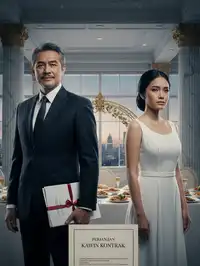
Pacing for vertical

Set up in the first third, complicate in the second, pay off on the cut. The button is the cliffhanger. In a 60–120 second episode there is no room for a warm-up scene, so the turn has to arrive inside the first twenty seconds and the cliffhanger has to be the natural end of that turn.

Getting the look right

Flat, bright and stable. Comedy needs the audience to see the whole face and not be distracted by the grade. Set the visual style at project level so it is applied consistently — a genre that changes its grade between episodes reads as a mistake rather than a choice.

The pitfall

Writing jokes instead of building a situation. A funny line is a lottery ticket; a situation where every reasonable action makes things worse produces jokes for sixty episodes. Fix the situation and the lines get easier.

Key points to remember.

Comedy audiences arrive expecting a situation that keeps producing jokes without anyone having to be funny — break that and nothing else you do lands.

Pacing: Set up in the first third, complicate in the second, pay off on the cut. The button is the cliffhanger.

Look: Flat, bright and stable. Comedy needs the audience to see the whole face and not be distracted by the grade.

  • Comedy audiences arrive expecting a situation that keeps producing jokes without anyone having to be funny — break that and nothing else you do lands.
  • Pacing: Set up in the first third, complicate in the second, pay off on the cut. The button is the cliffhanger.
  • Look: Flat, bright and stable. Comedy needs the audience to see the whole face and not be distracted by the grade.

The genre most damaged by generated dialogue, and the one that rewards a strong situation most.

How long should a comedy episode be?

60 to 120 seconds. Long enough for one turn and its consequence, short enough that the cliffhanger arrives before attention does.

Can I mix this with another genre?

Yes, and most strong series do. Pick one as the engine and the other as the texture — two engines fight each other and the series loses its centre.

Does the visual style have to match the genre?

It has to be deliberate. A comedy shot like a thriller can work; a comedy shot inconsistently cannot.

Keep exploring Redrama genres with guides, ideas, and insights.

Start your series.

Turn a genre into a premise, an episode map, shot-level scripts and rendered scenes — in one workspace.